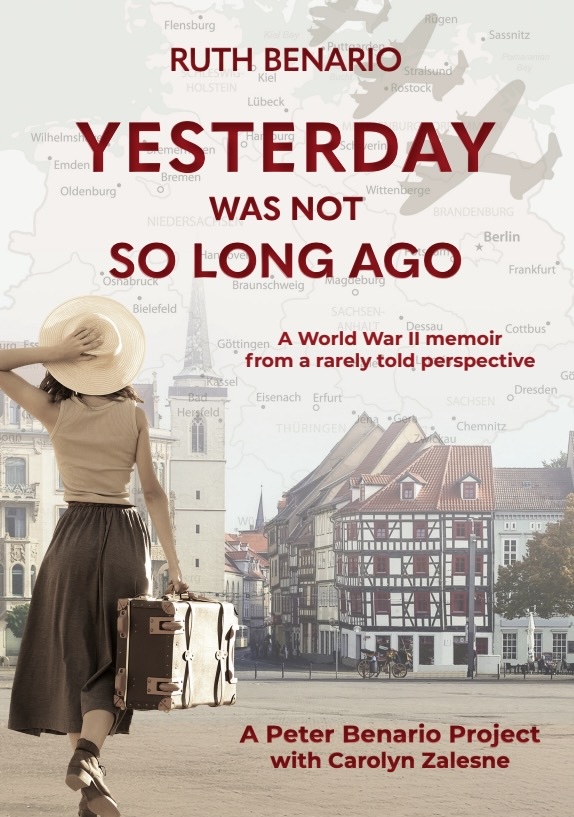
“Yesterday Was Not So Long Ago is truly a must-have masterpiece.”
Reader praise
What Readers Are Saying
Critics and readers alike have found Ruth Benario’s memoir moving, illuminating, and difficult to put down.

About the memoir
A Life Preserved on the Page
Drawn from the handwritten journals Ruth Benario carried through war, displacement, and survival, Yesterday Was Not So Long Ago offers an intimate portrait of a young German woman’s coming of age during World War II.
As the generation that experienced the Second World War continues to disappear, books like this assume increasing importance. They become more than memoirs; they become acts of preservation. Every journal transcribed, every photograph identified, every remembered conversation recorded pushes back against the inevitable erosion of time.
This book can connect the past with the present and although the events took place some eighty years ago, the questions it raises remain strikingly contemporary still today.
A young woman’s account of love, loyalty, and a world at war.
IN HER OWN WORDS.
Recognition
An Honored Memoir

NYC Big Book Award
Distinguished Favorite, 2025

The Chrysalis BREW Project
Winner, Book of the Month — August 2025

Independent Author Network Book of the Year Awards
2025 Finalist
Additional recognition includes a Paris Book Fair Honorable Mention in Non-Fiction and a featured Feathered Quill review (opens in a new tab).
From the memoir
Featured Excerpt
“I was officially a legal refugee in my own country.”
With only an identity card recording her entry into West Germany on August 18, 1945, Ruth reflects on what the document could not hold: the landscapes of home, her mother and friends, childhood memories, and the house she had always known.
My story is forever connected to the story of a country: my native Germany. I was a young girl who lived through the turbulent years of World War II in a country that rose to great heights only to end in ruins. Much has been written about those years, but perhaps not from this perspective.
I survived while millions didn’t. I am eternally mindful that no matter the losses and hardships in my life, they paled in comparison to the atrocities which befell so many of my compatriots. I was a young girl unaware of the extremism around me, yet still a child of that heinous war.
I wrote this story from my memory and from the pages of my beloved diaries which I held close as I crossed borders and continents. I share it with my family — and all families — in hopes that the world will remember that not all Germans were Nazis, and some of us who were dragged unwillingly into the war were also victims.
These pages tell the turbulent times of my generation in one story of coming to terms with love and sadness. I was fortunate to live a full life, and though it left permanent scars, it also brought people who helped me start anew.
I hope my story resonates like the Gloriosa.
From Chapter 8
The Beat of the Drums
January 30, 1933
As the day dawned over the city of Berlin, millions of Germans anxiously awaited the decision of the aging president of our country, General von Hindenburg, to appoint a new chancellor. By noon, the world would know it was to be Adolf Hitler. He was not, as is widely believed, the overwhelming choice of the German people, whose daily lives were still plagued by inflation, unemployment, and political chaos, created by the disastrous defeat of World War I. The men in the brown shirts were looking for a revolution, while the country was longing for the old tradition and trying to regain its prestige in the world. The German fighting forces had not been entirely disbanded at the Treaty of Versailles, and once again the world should have realized that Germany was an army in search of a country. This was the ideal basis for a strong dictator to take hold of an unsettled and anxious land.
Under a sea of brightly colored flags, huge rallies were carried out with unprecedented precision. The new government was restoring pageantry, pride, and hope for a great future into the drab lives of the average German. The nation was on the move, and a young army was on the march, following the beat of the drums and the sound of a great premise. It was almost impossible not to get caught up in the excitement of a new dawn rising in the hearts and minds of a people whose desire for independence and power had always been part of their history.
On the afternoon of that momentous January day in 1933, my father walked in our house carrying a black box: our first radio. After giving us strict instructions about how and when to use it, he told us this was the only way to find out how the new leader of our country was going to affect our lives.
“We must be prepared,” he suggested. “The devil has succeeded, and will use his absolute power to control our lives, but he is not going to last.” And with that, my father turned on the radio.
The economic situation in the country was weak, and my parents worried about our future, but they chose not to involve themselves in politics. Neither one liked what was happening in our country, even though the hordes of Nazis who were roaming the big cities had not yet touched our small-town lives.
The Jewish population in Erfurt was relatively small. My parents had several Jewish friends going back all the way to their high school and college days. I had two Jewish girls in my class, and we never considered them any different from anyone else, except for Ilse, but only because she was always the smartest girl in every class. They came to our birthday parties, and we went to theirs. I didn’t really understand why a lot of people thought that what made Jewish people different were bad things.
I had been to Ilse’s house a few times, once on a Friday night for dinner. The moment I arrived I knew this dinner was different from other times I had been there. The house smelled wonderful and the table was set with a white linen tablecloth. Ilse’s mother, who looked even more lovely than usual, lit candles and covered her face with her hands as she said a prayer to welcome in the Sabbath. First she said it in Hebrew, and then she said it in German, probably for my benefit. Ilse’s father, whom I had never met before, was very gracious and said he was glad Ilse and I were friends. He even noted that my first name, Ruth, was a biblical name which meant “companion” or “friend.” Even Ilse’s two younger sisters, who were always underfoot when I came over, were cleanly dressed and well-mannered.
The whole meal, starting with the a sweet egg bread, was delicious, and the dessert was even better. It seemed quite festive, almost like Ilse’s family had a mini-Christmas dinner every week. I wondered what difference it made that they worshiped on Saturday instead of Sunday. There seemed to be enough good days to go around. And why was it anyone else’s business anyway?
The conversation at dinner that night was about the house they had just bought, how each girl would have her own room, and when they would be moving out of the rental. I was less excited about this news as their new house was on the other side of town, but Ilse and I vowed to remain friends.
But this wasn’t going to be so easy. Germany was changing quickly in the big and little ways my father feared. In school, Ilse’s desk was moved to the back of the classroom. The teacher said it was because she and I passed too many notes and disrupted the class but, curiously, they also moved Hannah’s desk back there. Hannah was an average student who was really good at sports. She was also the other Jewish girl in our class, and she never passed notes with anyone. The teachers also stopped calling on Ilse. We all knew she knew the answers and for so long the teachers used her to show us that the rest of us just needed to study harder and prepare better, but that no longer seemed important. Everyone still knew Ilse was the smartest kid in class.
Other changes quickly followed. Our government had a transition plan and it included plans for everyone. With great skill, they restored in the young generation of Germans the pride of being German. The old schoolteachers were replaced by young leaders from the Youth Movement who taught us to keep an open mind to the promises of our new leaders. And, we no longer had to attend school on Saturday morning or be separated from the boys.
Instead of school on Saturday mornings, we went out into the countryside to meet other boys and girls who came from the surrounding villages. For the first time in our lives, we felt a sense of identity with young people coming from every social and economic background.
I am not sure if any of us realized that we were slowly becoming part of a political movement on a huge scale. This movement did not come from nowhere. All along, we had been taught to love our country, to be proud of our heritage, and the long history of the land our generation was going to inherit.
With that in mind, we not only learned new songs about the country we all loved, but also the songs of our soldiers who had for centuries defended the country in their fight for freedom and independence. We young Germans were destined to carry the torch of freedom, unfurl the flags of a new nation, and make the world take notice that the wind was changing. At night, bonfires lit the dark hills around the country, and all over Germany one could hear the sound of the drums.
But apparently “all young Germans” did not include young Jewish Germans. I assumed we didn’t see Ilse and Hannah on Saturday mornings in the countryside because Saturday was their day of worship, but Ilse said she didn’t even know about the new Saturday gatherings.
On a larger scale, it should have come as no surprise to the rest of the world that during the early years of the new government, the German people did not have the desire to determine their own destiny. After having lost the long and bitter World War, we entered a peace settlement which led our nation into governmental chaos, ineptitude, corruption, and unfulfilled promises. The people of our country were looking for a new leader to restore the nation’s well-earned place in European history.
All the signs of a dictatorship were obvious, but as had happened before, the leadership of one man to restore unity among a divided nation seemed more promising than yet another government driven by a group of indecisive politicians. This is nothing new in the history of any country, and it surely would not be the last instance. Only the sound of the drums will most likely never be heard again.
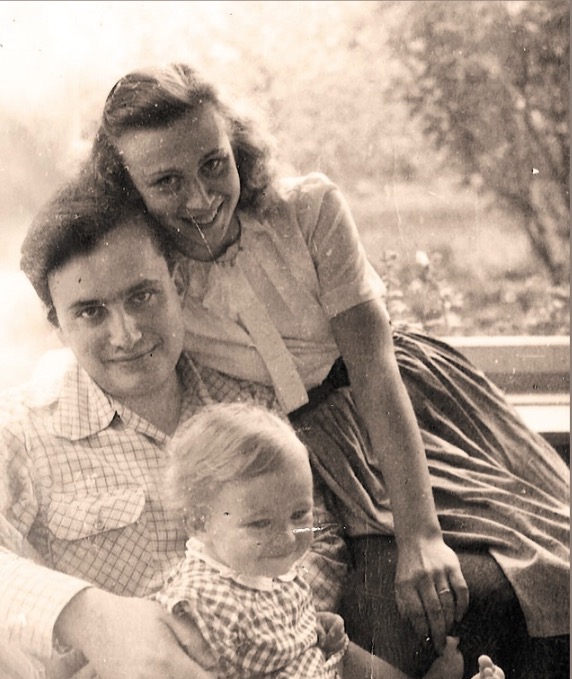
The woman behind the journals
Ruth’s Story
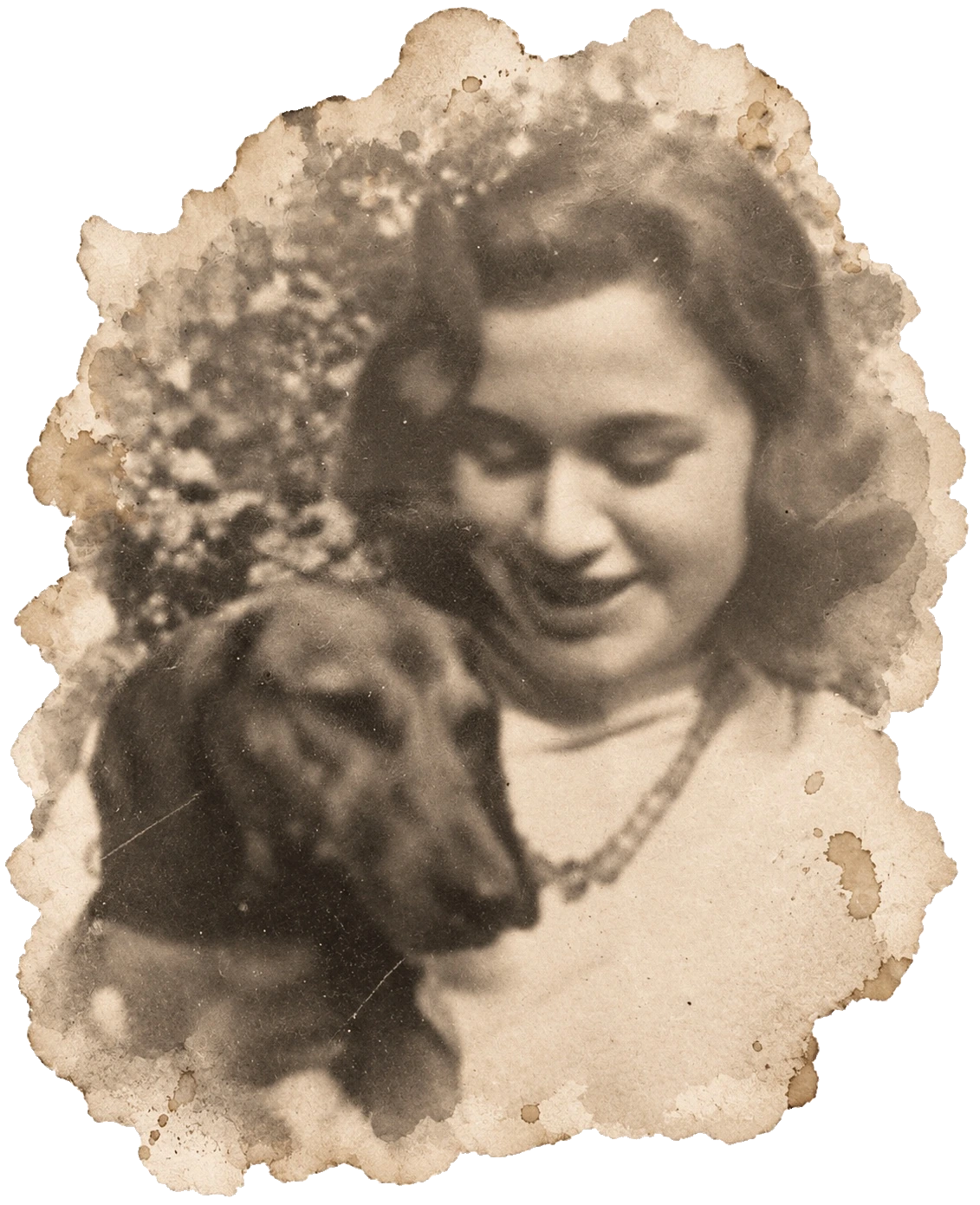
Ruth Pein grew up in Erfurt, Germany, in a home and landscape she cherished. As war overtook daily life, private choices became inseparable from the history unfolding around her.
She recorded events and emotions in handwritten diaries, preserving the view from inside a country at war. Those pages stayed with her across borders and continents, holding memories of family, friendship, love, displacement, and the home she had known.
Her journals became the foundation of a memoir told in her own human scale: not as a distant account of war, but as the lived experience of a young woman confronting loyalty, loss, and an uncertain future.
Available now
Order Your Copy
Choose a bookseller below to order your copy of Yesterday Was Not So Long Ago.
An enduring family record
Peter’s Stewardship
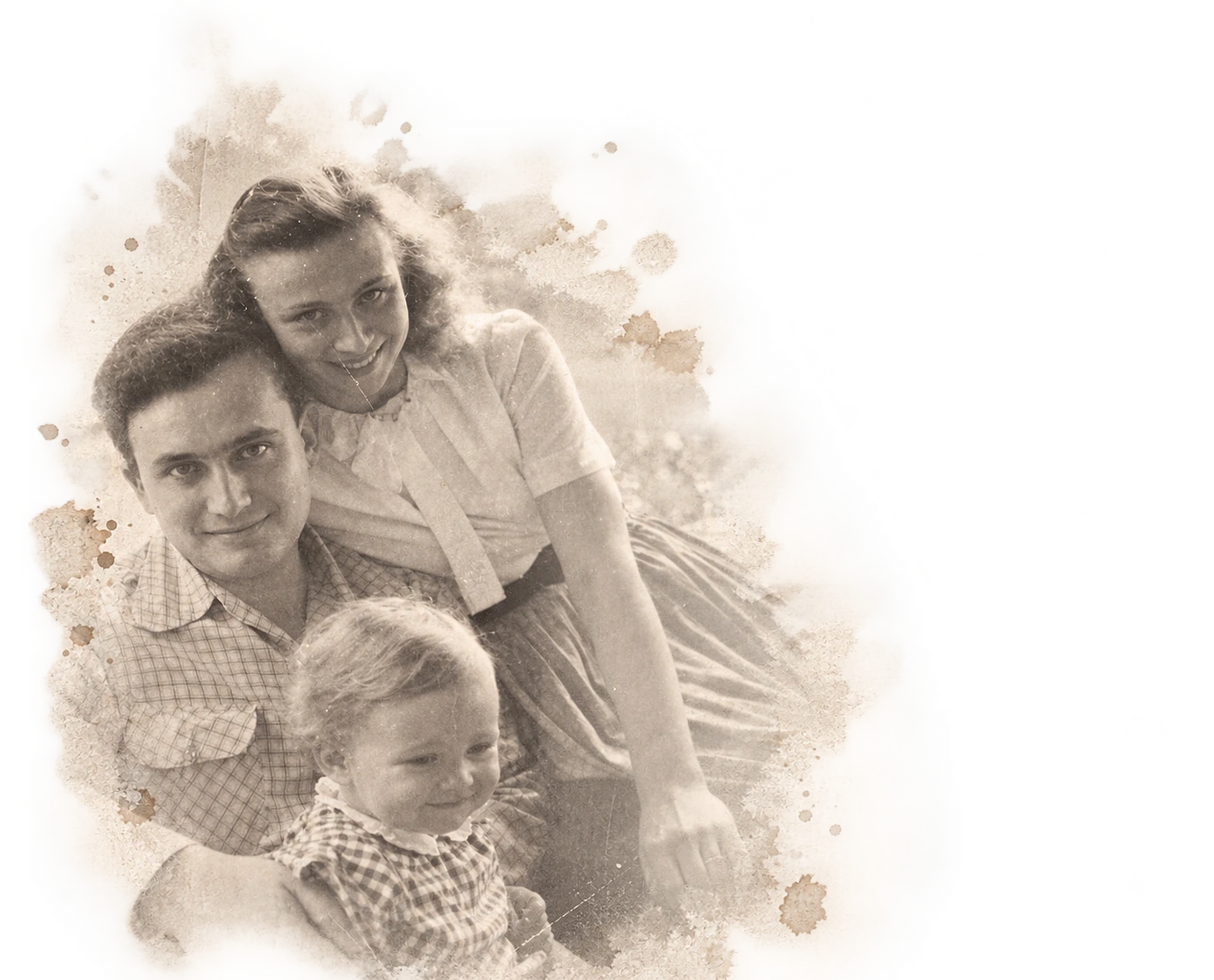
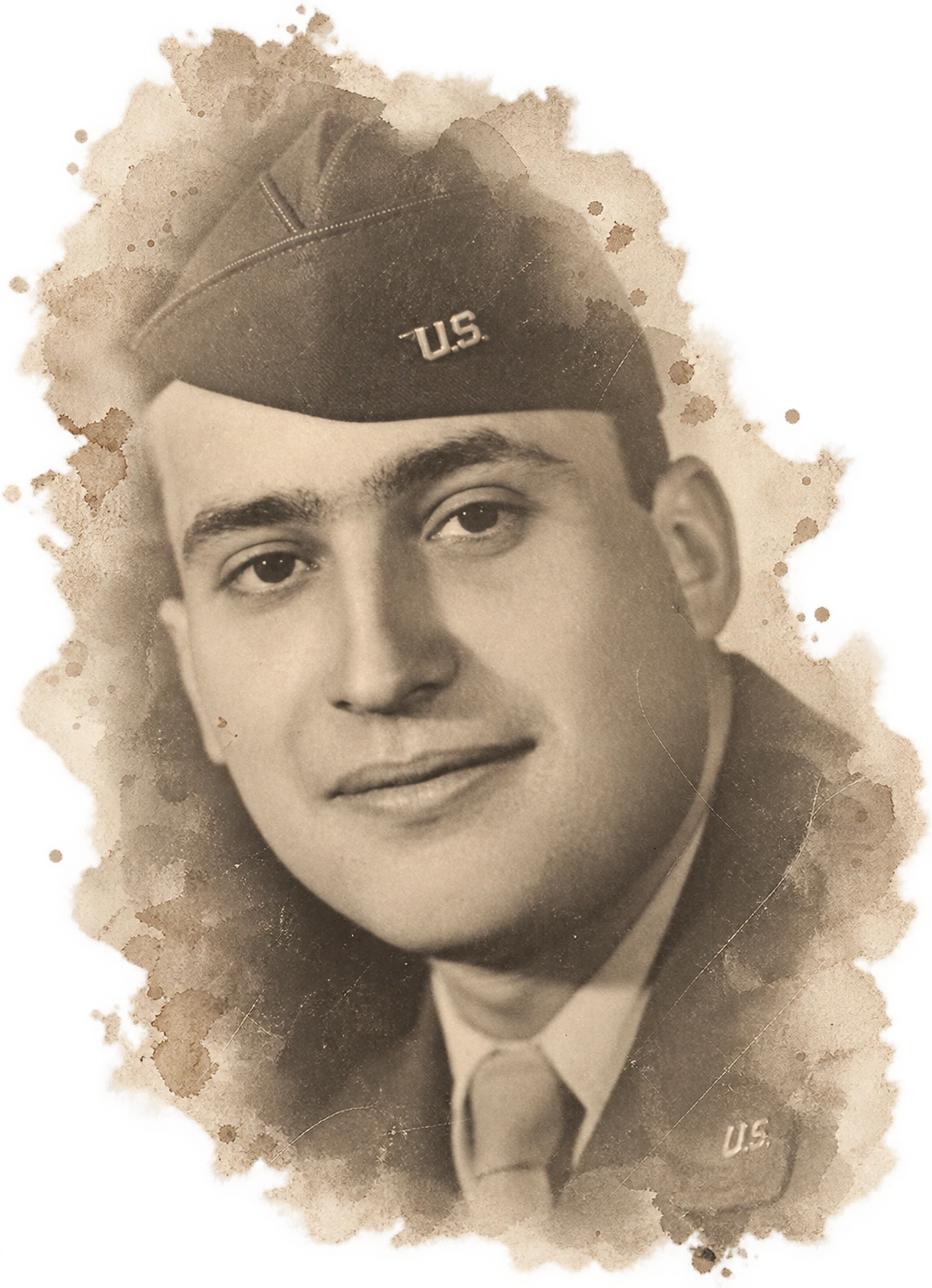
Peter Benario preserved and brought his mother Ruth’s handwritten journals to publication so future readers could experience her remarkable story.
“I am honored to share my parents with the world.” — Peter Benario